

Karen Kissinger Coaching – body scan meditation can be especially useful on those nights when your mind insists you’re tired but your shoulders, jaw, stomach, and legs apparently didn’t get the memo. After years of working with people around stress and emotional regulation, I’ve noticed that many don’t realize how much tension they’re carrying until they’re asked to stop changing anything and simply feel what’s already there. For anyone exploring meditation for beginners, this gentle approach offers a practical entry point. That’s what makes this practice deceptively powerful: you’re not forcing yourself to relax. You’re giving your attention enough time to notice where your body has been bracing all day.
⚡ Quick Answer
Body scan meditation is a mindfulness practice in which you move your attention slowly through different parts of your body, noticing sensations without judging or changing them. A beginner can start with just 5–10 minutes, using the practice to build body awareness, release unnecessary tension, and settle before sleep.
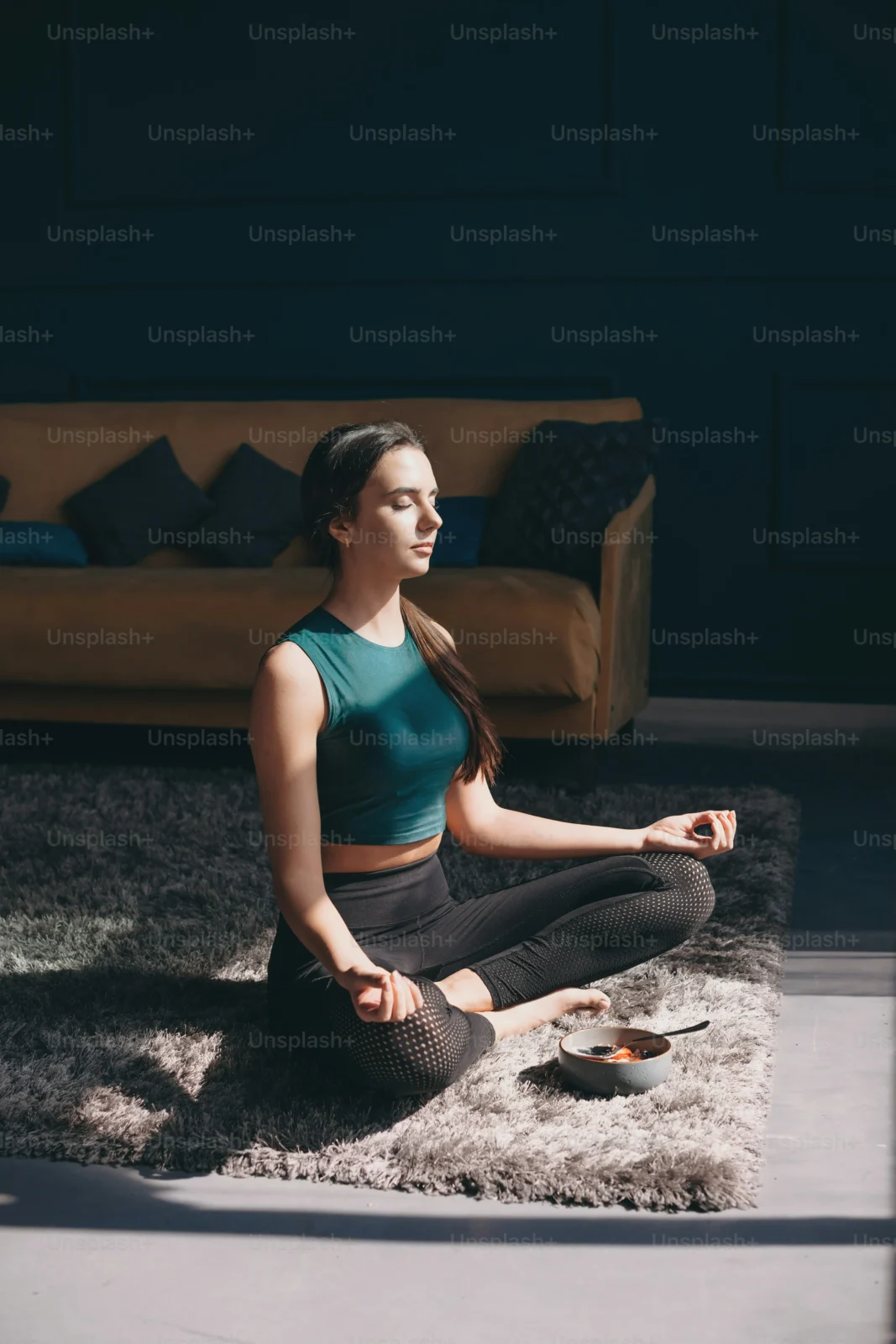
What Is Body Scan Meditation, and What Are You Actually Doing?
A body scan is a form of mindfulness meditation that deliberately moves your attention from one region of the body to another. You might begin with the toes, notice the feet and ankles, move through the legs and torso, then finish with the hands, shoulders, neck, face, and head. You can explore other body scan techniques as you become more comfortable with this sequence.
The important word here is notice. You’re paying attention to warmth, pressure, tingling, tightness, heaviness, pulsing, numbness, or even the absence of a clear sensation. UMass Chan Medical School describes body scanning similarly: attention moves through the body while you observe sensations and gently return when the mind gets pulled into thought.
Here’s the thing: beginners often turn the exercise into a scavenger hunt for tension. It is one of the common mistakes beginners make when they confuse awareness with fixing sensations. They find a tight shoulder and immediately think, Okay, how do I make this disappear? That’s understandable, but it misses the heart of the practice.
Think of a body scan like walking through your house after the power comes back on. You’re checking room by room to see what’s happening. You don’t have to renovate every room you enter.
How a Body Scan Shifts Attention From Thinking to Physical Sensation
Most stressful days happen largely from the neck up. You’re planning tomorrow, replaying a conversation, answering imaginary objections, remembering what you forgot, or wondering why you’re still awake at 1:17 a.m. Sound familiar?
A body scan gives attention a concrete landing place. Instead of trying to stop thoughts—a fight you’re unlikely to win—you repeatedly redirect attention toward physical experience: the weight of your heel, the contact between your back and the mattress, the movement around your ribs as you breathe.
This is one reason I prefer telling beginners, “Notice first; relax second.” When people make relaxation the test of whether they’re meditating correctly, they start monitoring themselves: Am I calm yet? How about now? That creates another performance task. Mindfulness works differently. You practice awareness without demanding a particular result. Bringing self-compassion into the practice can make that shift easier when the body feels uncomfortable.
The broader evidence supports mindfulness as a legitimate stress-management approach, while also giving us reason to avoid miracle claims. Looking at meditation methods and principles beyond body scanning can also help you understand why gentle repetition matters. The National Center for Complementary and Integrative Health notes that mindfulness meditation may help reduce symptoms of stress, including anxiety and depression, and may improve sleep.
Does Body Scan Meditation Work?
Yes—but “work” needs a definition.
If you mean, “Will one body scan switch off every anxious thought and knock me asleep in six minutes?” No responsible practitioner should promise that. If you mean, “Can regularly practicing mindful attention help with stress regulation, body awareness, and relaxation?” That’s much more consistent with what mindfulness research supports.
Consider sleep. A 2019 systematic review summarized by the National Center for Complementary and Integrative Health included 18 studies with 1,654 participants. Mindfulness meditation improved sleep quality compared with education-based control treatments, although it was not superior to established approaches such as exercise or cognitive behavioral treatments.
That distinction matters. A relaxation meditation can be a useful tool without being a cure-all.
I remember explaining this to someone who kept abandoning meditation because she said she was “still tense afterward.” We shortened the goal dramatically: instead of trying to become relaxed, she spent several minutes noticing where tension showed up and practiced not fighting it. The interesting part wasn’t that every sensation disappeared. It was that she became much quicker at catching the clenched jaw and raised shoulders she had previously carried for hours without noticing.
That, to me, is where body scanning earns its place.
Body Scan Meditation Benefits for Stress, Tension, and Sleep
The most practical benefits tend to come from the skill you’re rehearsing: noticing your internal experience earlier and responding with less automatic resistance. That awareness can support a gradual sense of personal peace in everyday life, even on days when stress does not disappear.
A consistent body scan practice may help you:
- Become more aware of where you habitually hold muscular tension.
- Redirect attention away from repetitive thinking and toward present sensations.
- Build a calmer transition into a sleep routine.
- Practice allowing uncomfortable sensations without immediately reacting to them.
There’s an important caveat on sleep. Evidence for mindfulness and insomnia is mixed, and current guidance does not support treating mindfulness alone as a replacement for established insomnia care. NCCIH notes that cognitive behavioral therapy for insomnia, or CBT-I, has stronger support for chronic insomnia.
So if you’ve been lying awake night after night for months, don’t make meditation another thing you’re supposed to “get right.” Use it as one tool, and consider discussing persistent insomnia with an appropriate healthcare professional.
How to Do Body Scan Meditation Step by Step
You don’t need special equipment, flexibility, incense, or a perfectly quiet room. For your first practice, choose a position you can maintain comfortably for several minutes. Lying down is often easiest for relaxation; sitting is a solid option if lying down makes you fall asleep immediately.
Start by letting your breathing stay natural. Then place your attention on one small area—your toes work well—and notice whatever is actually there. Warm? Cool? Pressure from a sock? Nothing obvious? All of those answers count.
From there, gradually move upward through the body. There’s no prize for scanning slowly enough to notice every square inch.
What nobody tells you is that a “successful” body scan can include restlessness, boredom, discomfort, and a wandering mind. In fact, noticing that your mind wandered and bringing it back may be one of the most useful repetitions in the entire practice. UMass Chan’s mindfulness materials make the same practical point: distraction is normal, and the response is to notice it and gently return attention rather than getting frustrated with yourself.
If you’re completely new to meditation, starting with a guided practice can make this much easier. Short guided meditation sessions can help you stay with each body area without having to memorize a script. A voice provides the pacing, which means you don’t have to keep wondering which body part comes next.
If you would like further guidance for learning meditation, begin with a straightforward sequence and repeat it before experimenting with longer recordings. And yeah, that matters more than you’d think. The less energy you spend wondering whether you’re “doing meditation correctly,” the more attention you have available for the one skill you’re actually practicing: noticing what’s happening right now.
How to Reset Your Nervous System With a Body Scan
A body scan cannot literally “reset” your nervous system like restarting a computer, but it can help shift your attention out of constant mental problem-solving and toward calmer, present-moment awareness. That change matters because stress often shows up physically before we consciously recognize it: a tight jaw, shallow breathing, lifted shoulders, or a stomach that never quite unclenches.
The goal isn’t to command your nervous system to calm down. Approach the process as a form of mindful relaxation rather than a quick fix. It’s to give your body fewer signals that something needs your immediate attention.
If you want to use a body scan during a stressful moment, keep it simple:
- Settle into a supported sitting or lying position.
- Notice three natural breaths without deliberately slowing them.
- Place your attention on one neutral body area, such as your feet.
- Move slowly upward while noticing pressure, temperature, tension, or movement.
- Return to one comfortable sensation whenever your thoughts pull you away.
- Finish by noticing your whole body for several breaths before moving.
This is where pairing a body scan with simple breathing techniques for stress can be helpful. If muscle tension is your bigger issue, progressive muscle relaxation takes a more active approach by deliberately tightening and releasing muscle groups.
💡 Key Takeaway: A body scan works best as an awareness practice, not an emergency switch. Notice what your body is doing first; let relaxation be a possible result rather than another demand you place on yourself.
Can You Use Body Scan Meditation for Sleep?
Yes, body scan meditation can be part of a bedtime routine, particularly when physical tension or repetitive thinking makes it difficult to settle down. The practice gives your attention something quiet and predictable to follow instead of repeatedly checking the clock or rehearsing tomorrow.
For sleep, I recommend making the scan deliberately boring. That’s a compliment.
Dim the room, lie in your normal sleeping position, and don’t worry about completing the entire scan. If you fall asleep halfway through your left leg, you haven’t failed meditation. You got exactly where you wanted to go.
A 5-minute body scan meditation for sleep can look like this: spend roughly 30 seconds noticing your feet and legs, one minute around your hips and abdomen, one minute around the chest and back, one minute through the arms and hands, then finish with the shoulders, jaw, eyes, and forehead.
The evidence deserves some context. The National Center for Complementary and Integrative Health reports that a 2019 review covering 18 studies and 1,654 participants found mindfulness practices improved sleep quality compared with education-based controls, but they were not better than established approaches such as cognitive behavioral therapy or exercise. For chronic insomnia, CBT-I remains the more strongly recommended treatment.
If sleep is the main reason you’re practicing, combine meditation with basic sleep hygiene habits and a consistent evening routine. Meditation shouldn’t have to carry the whole load.
How Often Should I Do a Body Scan Meditation?
For most beginners, 5–10 minutes once a day is a more realistic starting point than committing immediately to a long daily session. Consistency usually matters more than turning every practice into an endurance event.
Try daily practice for one or two weeks before judging whether it’s useful for you. A sustainable daily meditation practice is built through short, repeatable sessions, not a strict requirement to feel calm. You might practice after work if that’s when tension peaks, or make it part of a mindfulness habit that fits a busy schedule.
Longer isn’t automatically better. A focused five-minute practice you actually repeat is more useful than a 30-minute routine you avoid because it feels like homework.
What Are the Disadvantages of a Body Scan?
Body scanning is generally low risk, but focusing closely on physical sensations can feel unpleasant or even intensify distress for some people. NCCIH notes that relaxation practices are generally considered safe, while some people report reactions such as increased anxiety, intrusive thoughts, or fear of losing control.
This is especially relevant if turning inward makes you feel trapped, overwhelmed, or intensely focused on uncomfortable sensations. You do not need to force your attention through an upsetting body area to prove that you’re meditating correctly. On days when body awareness feels too intense, you might explore loving-kindness exercises that use gentle words of goodwill instead of scanning sensations.
Try one of these adjustments instead:
- Keep your eyes open and notice the room around you.
- Scan only neutral areas such as your hands or feet.
- Practice for two or three minutes rather than 20.
- Switch to walking meditation if stillness makes things harder.
Another option is metta meditation, which gently redirects attention toward wishes for well-being rather than physical discomfort. If meditation repeatedly increases distress, stopping is a reasonable choice. Mindfulness is a tool, not a requirement.
Guided Body Scan vs. Doing It on Your Own: Which Is Better?
For most beginners, a guided body scan is the better starting point because someone else handles the timing and sequence; unguided practice becomes more useful once you can move through the body without constantly wondering what comes next.
| Criteria | Guided Body Scan | Unguided Body Scan |
|---|---|---|
| Best for | Beginners, bedtime, highly distracted days | Experienced meditators, flexible practice |
| Typical setup | Audio, app, recording, or instructor | No audio needed |
| Mental effort | Lower; instructions provide structure | Higher; you choose pace and sequence |
| Control over pace | Limited by recording | Completely adjustable |
| Distraction support | Voice repeatedly brings attention back | You must notice wandering yourself |
| Sleep use | Helpful when you want minimal decision-making | Better if voices keep you awake |
| Flexibility | Usually tied to recording length | Can last 2 minutes or 30+ minutes |
If you’re new to meditation, I’d start guided. It’s one less thing to manage, and a good recording teaches the basic rhythm of noticing, pausing, and moving on. You can read more about the tradeoffs in guided vs. unguided meditation for beginners.
If you enjoy setting your own pace, unguided meditation techniques offer room for silent, self-directed scanning. The exception is bedtime. Some people become more alert listening for the next instruction, especially if they’re wearing earbuds or using a phone in bed. In that situation, an unguided scan wins because you can let the sequence become fuzzy and drift naturally into sleep.
A Simple Guided Body Scan Meditation Script You Can Follow
Start by getting comfortable and letting the surface beneath you hold your weight.
Bring your attention to your feet. Notice temperature, pressure, tingling, heaviness, or perhaps nothing clearly noticeable at all. There’s nothing you need to change.
Move your attention through your ankles and lower legs. Notice where your body touches clothing, bedding, or the chair beneath you.
Now notice your knees, thighs, and hips. If you find tension, see whether you can observe it without immediately trying to remove it.
Bring awareness to your abdomen and chest. Feel whatever movement your natural breathing creates.
Notice your hands, arms, shoulders, and neck. If your mind wanders, recognize that gently and return to the part of the body you’re scanning.
Finally, notice your jaw, cheeks, eyes, forehead, and scalp. Then sense your whole body together for one or two breaths before ending the practice—or, if you’re doing this in bed, simply let yourself drift.
Frequently Asked Questions
What are the disadvantages of a body scan?
A body scan can make some people more aware of discomfort, anxiety, pain, or intrusive thoughts. If that happens, shorten the practice, keep your eyes open, or focus on neutral sensations such as your feet touching the floor. NCCIH notes that negative reactions to relaxation practices can occur even though these approaches are generally considered low risk.
How often should I do a body scan meditation?
A practical starting point is 5–10 minutes once daily, but there isn’t one required schedule that works for everyone. Try a short daily practice for a week or two and notice whether it helps you recognize tension sooner. If daily practice becomes another source of pressure, three or four sessions a week can still give you useful repetition.
Does body scan meditation work?
Short answer: it can help, but the outcome depends on what you’re expecting from it. Body scan meditation trains present-moment body awareness and may support relaxation as part of a broader mindfulness practice. Research on mindfulness shows potential benefits for stress and sleep, but it should not be treated as a guaranteed cure for anxiety or chronic insomnia.
How do you reset your nervous system with a body scan?
You don’t literally reset the nervous system with a body scan. Instead, you slowly redirect attention toward present physical sensations and away from constant mental monitoring, which may help you settle. Start with your feet, move upward gradually, and spend about 5 minutes noticing sensations without trying to force them to change.
What if I don’t feel anything during a body scan?
That’s completely okay. Numbness, vagueness, or “I don’t know” are still things you can notice, and you don’t need to manufacture sensations. If body awareness feels unfamiliar, begin with easier signals such as the pressure of your feet against the floor or your hands resting in your lap.
Making Body Scan Meditation a Sustainable Relaxation Habit
The best body scan meditation is the one simple enough to become part of real life. You don’t need a silent house, a perfect mood, or 30 uninterrupted minutes.
Start with five minutes. Attach it to something that already happens—getting into bed, finishing work, or sitting down after lunch. Avoid the meditation pitfalls that interrupt consistency, such as chasing a perfect session or changing techniques every day. If you’re still building the basics, these tips for starting meditation when you can’t sit still can make the process feel much less rigid.
And if physical tension is part of a wider stress pattern, pair body awareness with a broader stress-management plan that fits real life. The point isn’t to become perfectly relaxed on command. It’s to notice yourself sooner—and give your body a better chance to soften before tension has been running the show for hours.
Try one five-minute body scan meditation tonight, without grading the experience afterward. Then notice what changes when awareness becomes the goal instead of perfect relaxation.
If you’ve tried body scanning before, share what you noticed—or what made the practice difficult for you.

Licensed mental health counselor and certified mindfulness practitioner with 18 years of clinical experience. Published author on emotional intelligence, stress resilience, and relationship wellness.

😀 I like how this explains that the goal is to notice tension instead of forcing yourself to relax. That makes the practice feel much less intimidating.
🤔 When my mind keeps wandering during a body scan, should I start over from the beginning or just return to the part of the body I was noticing?
👍 The 5-minute approach sounds realistic for busy days. I might try it before bed instead of scrolling on my phone.
😅 I didnt realize how much tension I hold in my jaw until I started paying attention to it. This is a pretty simple habit to add to a bedtime routine.
😮 The part about falling asleep halfway through the scan made me laugh. That actually sounds like a pretty good result to me.
💡 One thing that helps me is not trying to notice every sensation perfectly. I just pick one area, stay there for a few breaths, and move on when it feels natural.
😍 I tried a body scan once when I was stressed and noticed my shoulders were almost up to my ears. Just noticing it helped me loosen up a little.
🔥 The reminder that restlessness and a wandering mind are normal is really helpful. I always thought getting distracted meant I was doing meditation wrong.
🤔 Has anyone found that a guided body scan is easier when they are completely new to meditation?
I actually like the idea of combining this with sleep hygiene habits. A body scan by itself is simple, but having a regular bedtime setup could make it easier to stick with. 😎
I read the National Center for Complementary and Integrative Health summary on mindfulness and sleep, and the evidence is more balanced than I expected. Their review notes that mindfulness practices can improve sleep quality, while also pointing out that they are not necessarily better than established approaches such as CBT or exercise. That matches the article well because it presents meditation as a useful practice rather than a guaranteed fix. 👍
🙌 This makes meditation feel much more approachable. I like that even five minutes counts and there is no need to do the whole scan perfectly.